
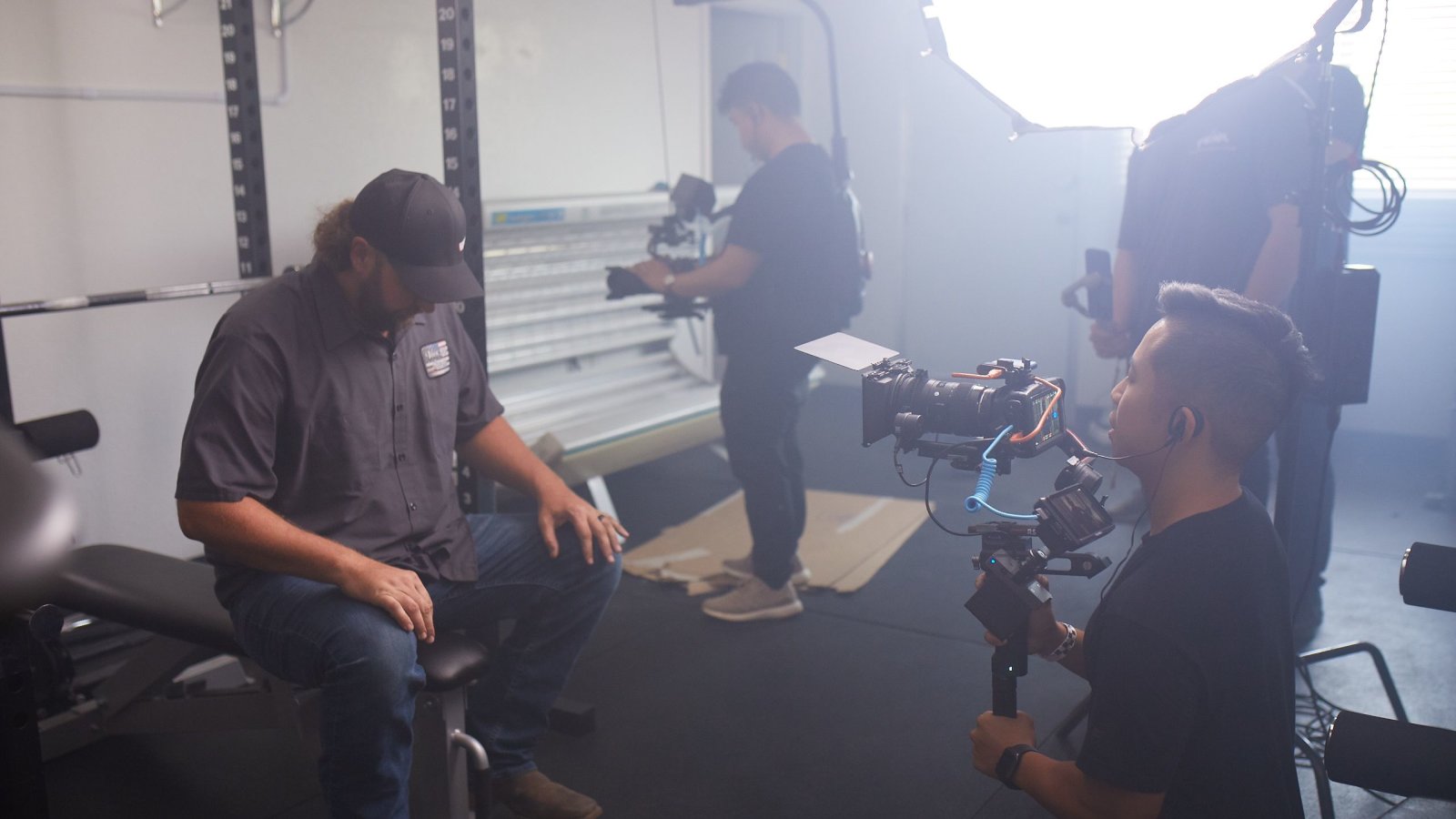
How Should Tampa Businesses Plan Video Shoots During Hurricane and Rainy Season?
What’s In This Guide
- Why Does Storm Season Change Video Production in Tampa?
- What Belongs in a Weather Contingency Plan?
- How Should Businesses Handle a Hurricane Threat?
- Which Video Types Fit Rainy Season Best?
- How Can Tampa Businesses Choose the Right Local Crew?
- Frequently Asked Questions
- Plan Your Tampa Shoot Around the Weather
When Tampa businesses search for video production services near me, budget and turnaround usually decide the shortlist. Weather rarely makes the list, and it should. Afternoon downpours, summer lightning, and hurricane season can turn a smooth shoot day into an expensive reshoot. Strong Tampa video shoot planning treats weather as a scheduling input, not a surprise.
Quick Facts
- Hurricane season runs June 1 to November 30, so weather planning applies to half the year.
- Lightning, more than rain, stops outdoor shoots. The National Weather Service (NWS) rule is to wait 30 minutes after the last thunder.
- Backup dates and indoor alternates protect both schedule and budget.
- Weather delay terms belong in writing before the contract is signed.
- Once a storm threatens, safety and official guidance outrank any production schedule.
Why Does Storm Season Change Video Production in Tampa?
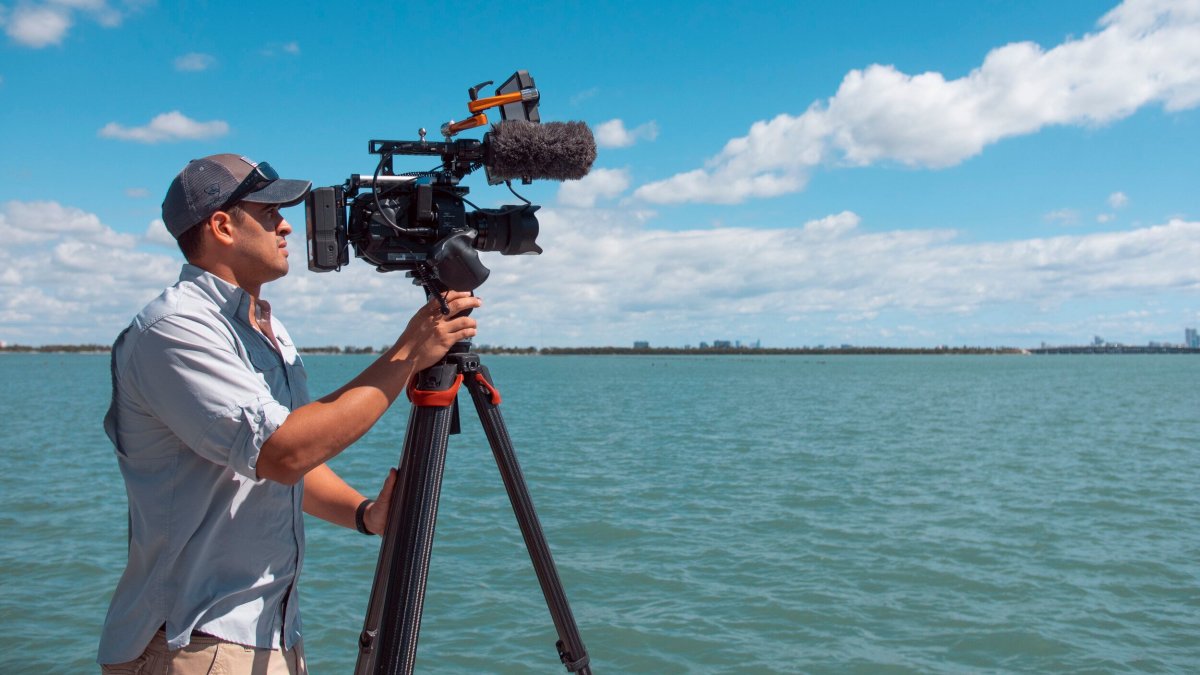
The Atlantic hurricane season runs from June 1 to November 30, with activity typically peaking from mid-August through October, according to NOAA. NOAA also stresses that seasonal outlooks are not landfall forecasts, so a quiet outlook does not guarantee a quiet week along Bayshore Boulevard or the Tampa Riverwalk.
Lightning is the more frequent disruption. The National Weather Service calls Florida the lightning capital of the U.S. and advises going indoors at the first thunder, then waiting 30 minutes after the last clap. It also notes that carports, open garages, and covered patios are not adequate shelter. For a crew working with lights, stands, and cables, that rule means all outdoor work stops until the wait is over.
Outdoor video production in Florida carries two distinct risks: short, frequent storms and rare multi-day events. Each needs its own plan.
What Belongs in a Weather Contingency Plan?
A weather contingency plan is a written set of decisions made before the shoot, so nobody improvises under a darkening sky. Experienced production teams typically build in:
- Two backup dates. Hold alternates a few days apart, since tropical systems can linger.
- Morning-first scheduling. Summer storms in Tampa Bay often build in the afternoon, so exterior scenes go early and interiors fill the rest of the day.
- Indoor alternates. Every outdoor scene gets a covered or interior fallback, such as a lobby, warehouse, or studio.
- A go/no-go deadline. One named decision-maker calls it 24 hours out and again at call time, which fits the approval workflow of a full-service video production company.
- Gear protection. Rain covers, weighted stands, and a clear shutdown procedure protect equipment and people.
- Written reschedule terms. Contracts should state who covers weather delays. Since these terms affect the budget, they belong in the conversation about video production costs.
How Should Businesses Handle a Hurricane Threat?
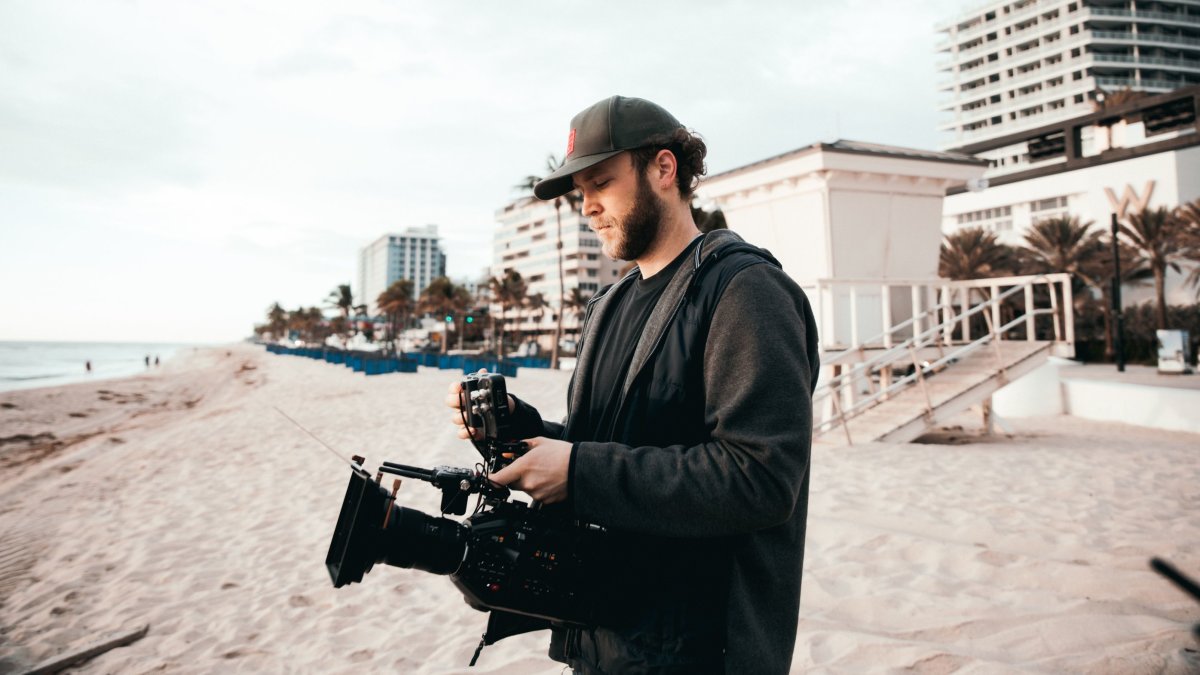
Once a hurricane watch appears, the question shifts from rescheduling to safety. Local emergency orders, evacuation zones, and the wellbeing of employees and crew outrank any shoot. Responsible production teams pause outdoor bookings when a storm enters the forecast, then resume after power, access, and site conditions are confirmed. Editing and review can continue remotely, so the project keeps moving even when the location is unavailable.
Which Video Types Fit Rainy Season Best?
Format choices can reduce weather exposure. Testimonials, explainers, and executive interviews shoot comfortably indoors, while skyline, waterfront, and event coverage need open air. Understanding the difference between corporate and commercial video helps match the project to the season. Pausing every project until winter is rarely necessary, because video content converts better than text and a finished video keeps delivering results regardless of the weather during production.
How Can Tampa Businesses Choose the Right Local Crew?
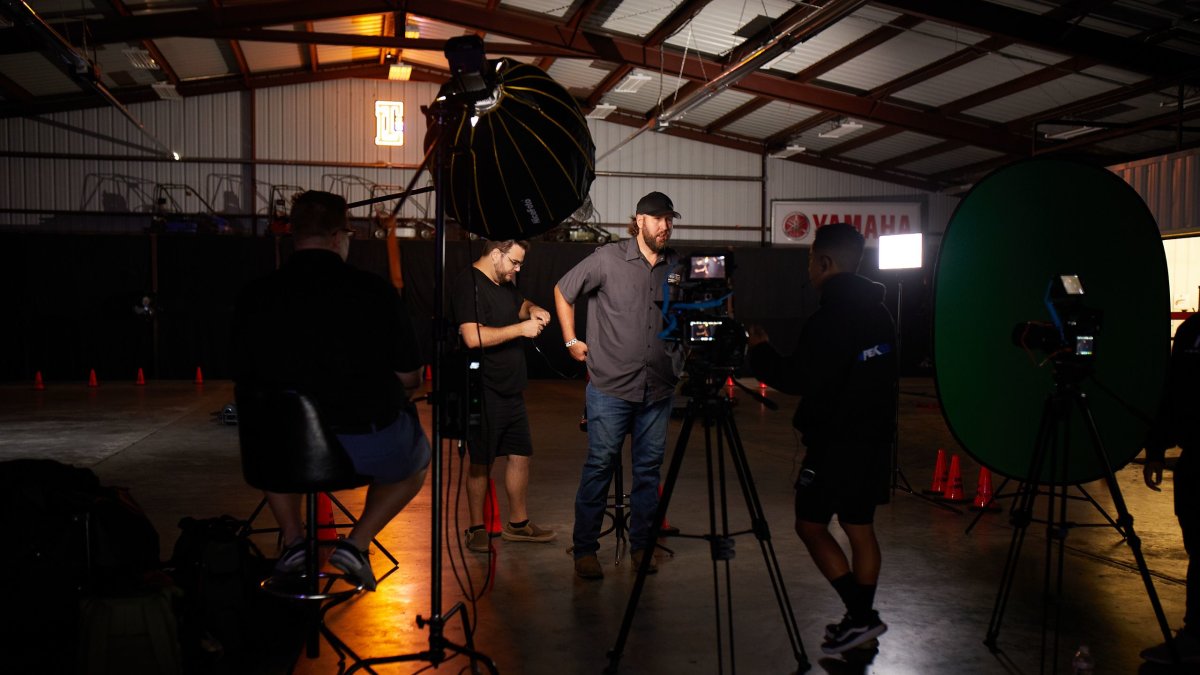
Proximity matters most when conditions change quickly. A local crew can scout locations in person, move a shoot on short notice, and judge whether a site floods or loses power in heavy rain. When comparing video production services near me, businesses should check whether the proposal includes backup dates, indoor alternates, and weather terms. Knowing what Tampa businesses need from a video partner clarifies what else to expect.
Frequently Asked Questions
What is the best time of year for outdoor video production in Tampa?
Late fall through spring generally brings drier, more predictable weather. Hurricane season runs through November 30, so shoots in early fall and November still benefit from a backup date. Summer shoots work when exterior scenes are scheduled for the morning.
What should video production services near me do if a storm hits mid-shoot?
The crew should stop work, move people and equipment into a fully enclosed building, and back up the footage. Once conditions clear, the decision-maker chooses whether to resume, move indoors, or rebook.
Can drones be used for aerial footage during Tampa’s rainy season?
Aerial work is usually the first thing to lose a weather day, since most drones cannot handle rain or gusty pre-storm winds. Aerial shots should be scheduled early in the day, with a backup date reserved.
How do weather delays affect the editing and delivery timeline?
A postponed shoot pushes back editing, but scripting and approvals can continue in the meantime. Businesses should request an updated delivery date in writing once the new shoot date is set.
How far ahead should a business book outdoor video production in Florida?
Most business video projects run four to eight weeks from discovery to delivery, so booking early leaves room for backup dates and location scouting.
Plan Your Tampa Shoot Around the Weather
Don’t let unpredictable Florida weather disrupt your production plans or inflate your budget. Video Production Company Tampa helps businesses build schedules with backup dates, indoor alternates, and clear approval steps. Share the project goals, and our team will map a realistic timeline that protects your investment and keeps your project moving smoothly from start to finish.
Related Posts