
What Is Full-Service Video Production? A Business Owner Guide From Concept To Final Cut
What’s in This Guide
- What Happens Before Filming Starts?
- How Does Filming Stay Efficient on Production Day?
- What Should Businesses Expect During Post-Production?
- How Should the Final Video Be Delivered and Used?
- What Types of Videos Do Businesses Typically Produce?
- Frequently Asked Questions
- Ready to Turn Your Video Idea Into a Finished Asset?
Full-service video production means one team manages the process from concept to final file. The business gets support with messaging, planning, filming, editing, and final delivery.
The value is coordination. When discovery, script, shoot plan, edit, and distribution are aligned, the video has a better chance of supporting sales, recruiting, education, or brand awareness. For Tampa businesses, full-service video production can help turn one idea into a planned, filmed, edited, and platform-ready marketing asset.
Quick Facts
- Full-service video production covers strategy, scripting, pre-production, filming, editing, revisions, and final delivery.
- Business videos work best when the goal, audience, and distribution plan are defined before filming.
- Pre-production reduces wasted shoot time because the team can plan scripts, shot lists, interviews, b-roll, and approvals.
- Post-production includes editing, color, sound, captions, graphics, and export versions for each platform.
What Happens Before Filming Starts?
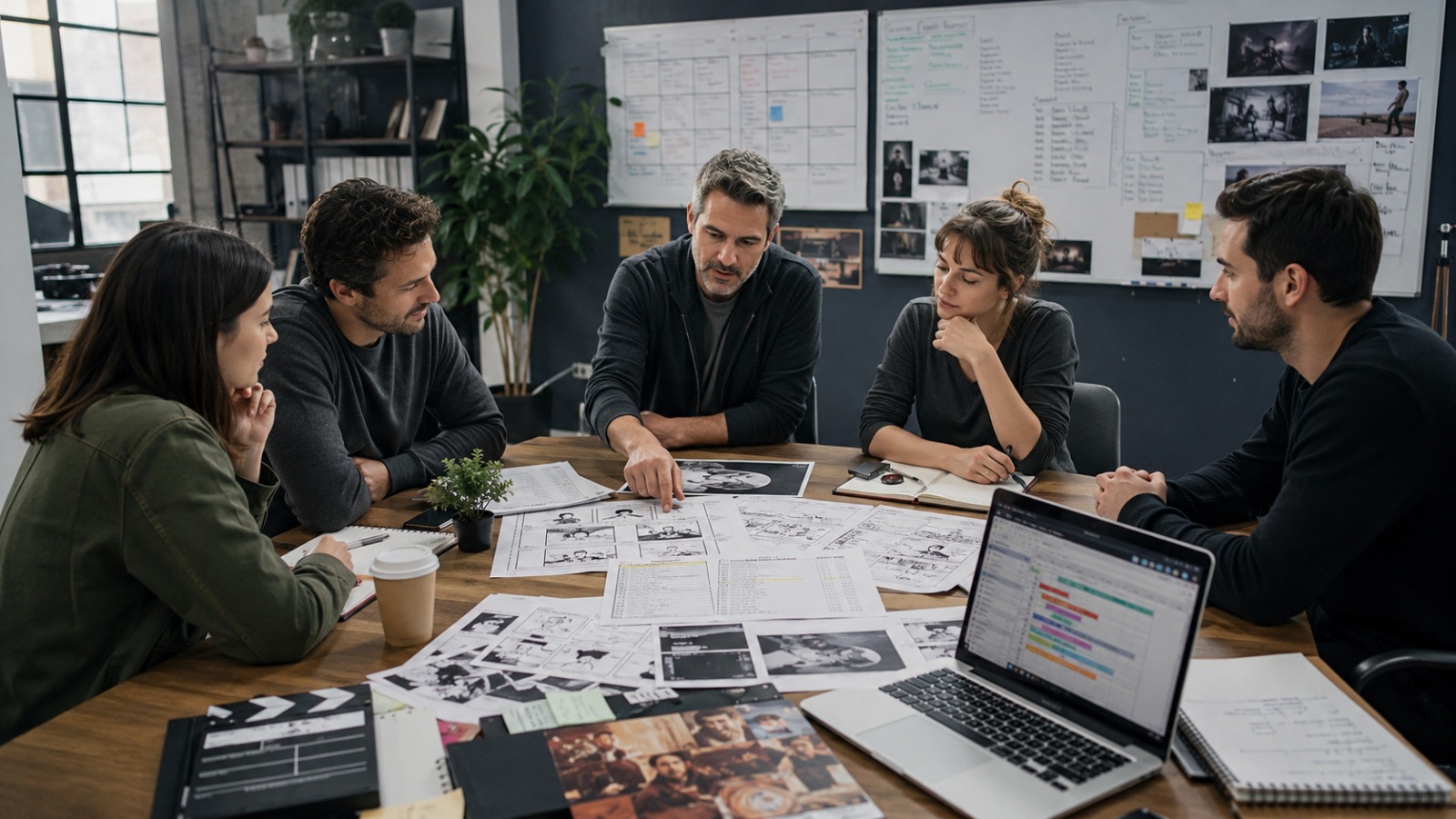
Pre-production turns an idea into a plan. This phase is where a video production company defines the goal, audience, message, location, timeline, and creative requirements before a camera ever rolls.
A Discovery Call That Defines the Goal
Every strong project starts with clarity on what the video needs to accomplish. The discovery conversation sets the objective, budget, and success criteria. It also surfaces constraints early, like brand guidelines, compliance requirements, or executive preferences that would otherwise appear mid-project.
Audience and Platform Planning
A video built for LinkedIn behaves differently than one built for a homepage or paid ad. Knowing where the video will live shapes length, tone, and format decisions early. It also determines technical specs like aspect ratio and caption requirements, which are far cheaper to plan for than to retrofit.
Scripts, Prompts, and Talking Points
Scripted narration, interview prompts, and loose talking points each serve different video styles. Pre-production locks in the right approach so filming stays focused. A testimonial usually needs prompts that draw out genuine answers, while a brand or explainer video needs a script tight enough to control runtime.
Shot Lists, Locations, and Scheduling
A detailed shot list and confirmed locations prevent wasted time on shoot day. The schedule accounts for setup, lighting changes, and buffer for unplanned moments. Location scouting also catches problems in advance, like poor natural light, background noise, or access restrictions that could derail a shoot.
A Defined Approval Workflow
Knowing who signs off, and at which stage, keeps the project moving. Stakeholder alignment before filming prevents expensive changes after it. A revision requested in pre-production costs a conversation; the same change requested after the edit can mean a reshoot.
How Does Filming Stay Efficient on Production Day?
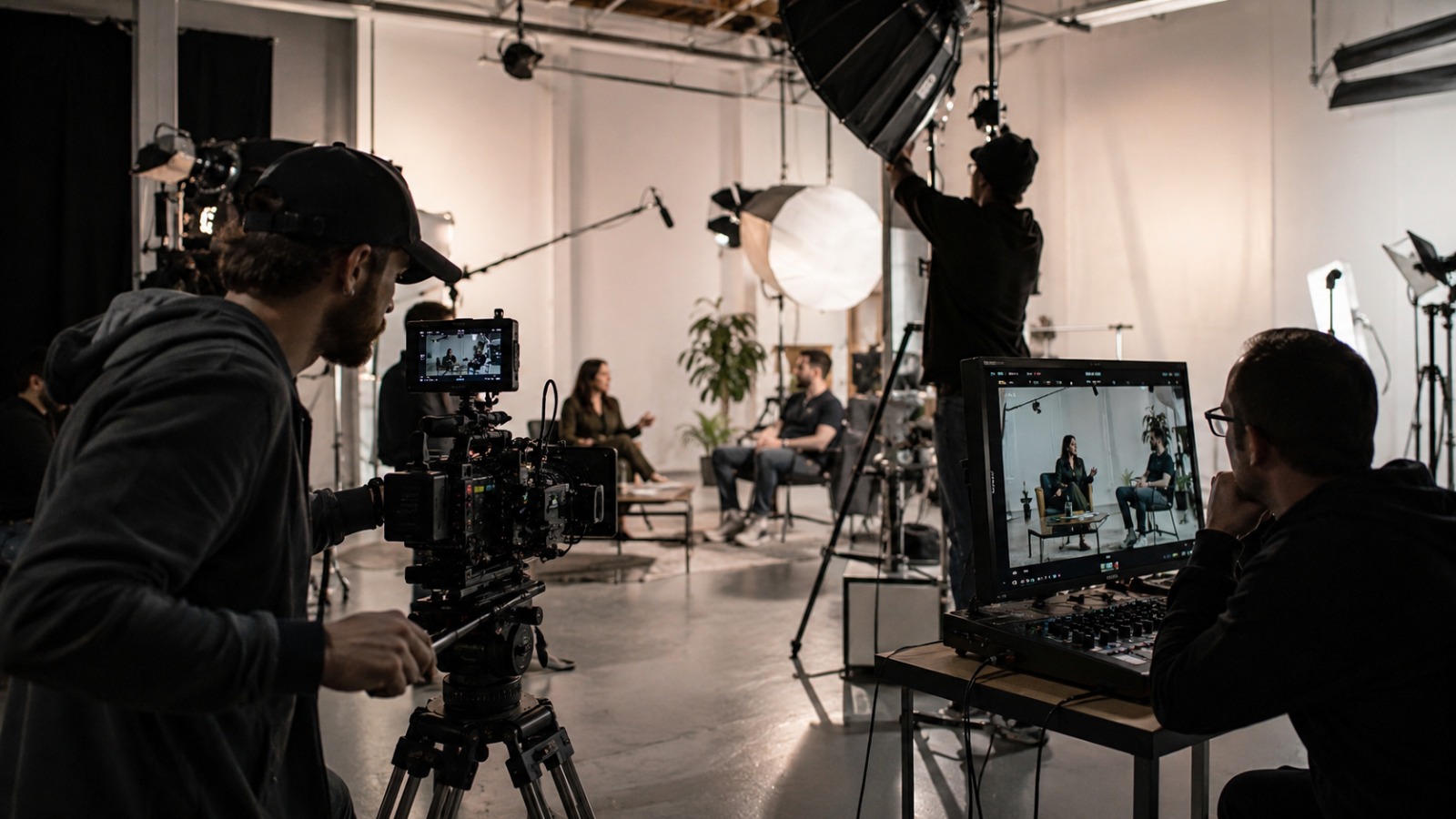
A good shoot day follows the plan while leaving room for useful moments. The crew manages the technical work so the business can stay focused on the message.
Follow the Pre-Production Plan
Clear pre-production reduces confusion on set. A crew that knows the intended final video captures with the edit already in mind. Shooting to the shot list also protects the schedule, since every setup has a purpose instead of the crew filming everything and hoping it cuts together.
Let the Crew Own Lighting, Sound, and Framing
Technical quality is the production team’s job, not the client’s. That separation keeps on-camera talent relaxed and the day on schedule. Clean audio in particular is worth the crew’s attention, because viewers are often more tolerant of imperfect visuals than unclear or distracting audio.
Capture More Than the Primary Footage
B-roll, natural sound, and cutaway shots give the editor options. The right mix of supporting visuals is what makes a final cut feel polished. Cutaways also solve practical problems in the edit, covering jump cuts and trimmed answers without the viewer ever noticing.
Protect Time for Unscripted Moments
Some of the strongest footage is never on the shot list. An efficient day leaves margin for genuine interactions worth keeping. These candid moments often become the social clips and behind-the-scenes content that extend the value of a single shoot day.
What Should Businesses Expect During Post-Production?
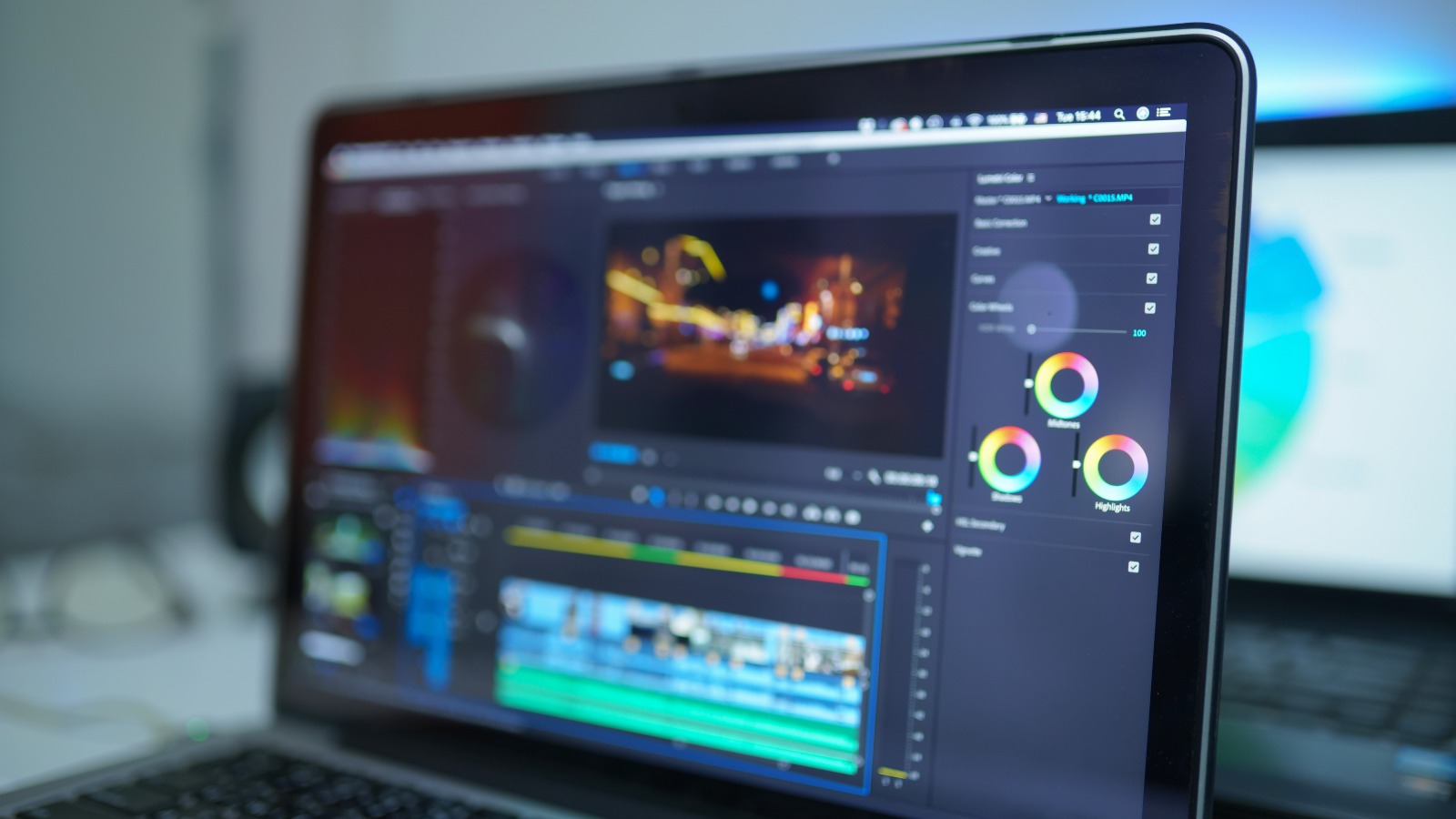
Post-production turns raw footage into a finished business asset. Editing decisions shape pace, clarity, emotional tone, and usability across platforms.
Footage Review and Selects
The editor organizes everything captured and pulls the strongest takes. This step decides the raw material the entire edit is built from.
A Rough Cut for Structure
The rough cut tests whether the story and message hold together before polish is added. Structural feedback belongs at this stage, not the final one.
Graphics, Music, Color, and Sound Polish
Captions, motion graphics, color grading, and audio mixing give the final video a more polished, professional finish. These finishing layers are where full-service video production separates itself from basic editing.
Structured Revision Rounds
Revisions should come from the designated decision-makers identified in pre-production. Consolidated feedback keeps the timeline intact.
Multi-Platform Exports
The final video is delivered in versions sized for website, social, ads, presentations, or internal use. Accessibility belongs in this step too, and W3C accessibility guidance is a useful reference for captions and contrast.
How Should the Final Video Be Delivered and Used?
Final delivery should match the way the business plans to use the video. A homepage hero, sales presentation, YouTube upload, paid ad, and social clip can each need different lengths, captions, and aspect ratios.
Request a Delivery Checklist Before Export
A checklist covering file names, platform versions, captions, thumbnails, usage rights, and storage location prevents scrambling later. Ask for it before the final export, not after.
Order the Right Cut-Downs Up Front
A main website version plus shorter social cuts costs far less when planned together. Retroactive re-edits are where budgets quietly grow.
Confirm Captions and Thumbnails
Subtitle files support accessibility and help viewers who watch without sound. Thumbnail options should match the brand and message.
Plan Distribution Before the Video Arrives
Decide where the video lives on the website and how sales teams will use it. A strong production process ends with distribution, measurement, and reuse, not the export.
What Types of Videos Do Businesses Typically Produce?
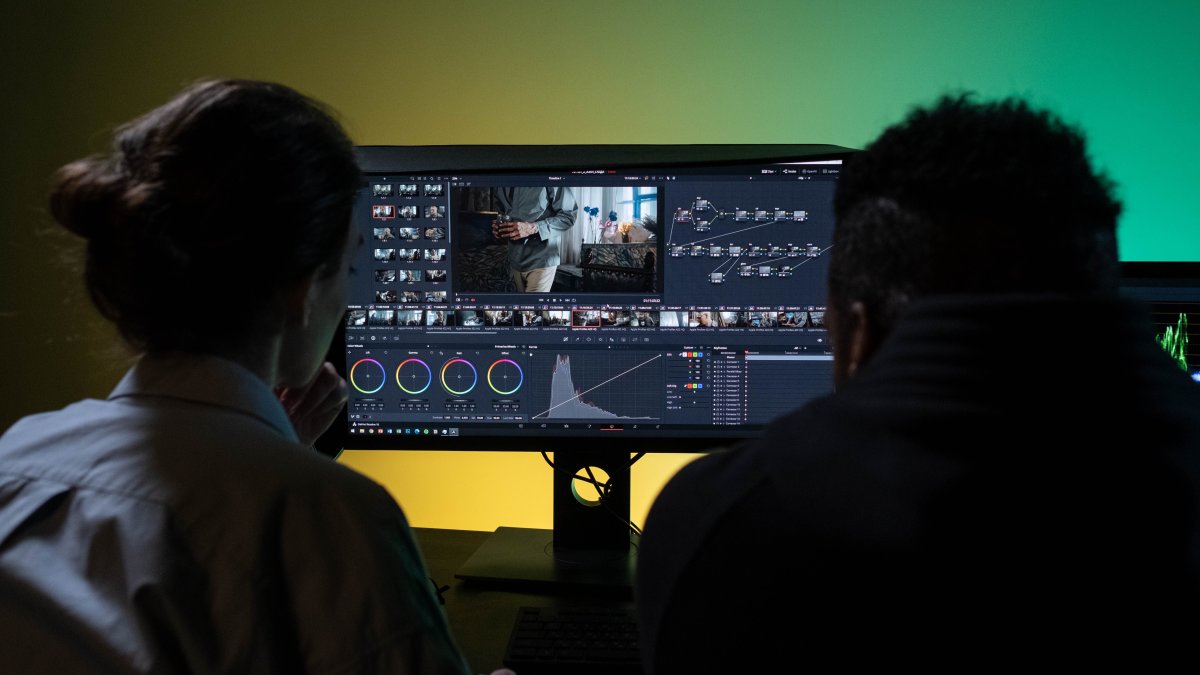
Most business video falls into a handful of proven formats. The right mix depends on the goal, audience, and where each video will live, which is why a video production company usually recommends formats during discovery rather than defaulting to one style.
Brand and Company Story Videos
A brand video introduces who the business is, what it stands for, and who it serves. It typically anchors the homepage or About page and sets the tone for every other piece of content.
Customer Testimonials and Case Studies
Real clients describing real results carry more weight than any script. These videos support sales conversations and give prospects the proof they look for before reaching out.
Explainer and Service Videos
An explainer breaks down a product, service, or process in a way a service page alone cannot. These work hardest on service pages and in email follow-ups where clarity drives the next step.
Recruiting and Culture Videos
Candidates research a company the same way customers do. A culture video shows the team, the environment, and the day-to-day in a way job listings never capture.
Event and Conference Coverage
Event footage extends the life of a one-day investment. Highlights, speaker clips, and recaps become content for social, email, and next year’s promotion.
Paid Ad Creative and Social Cuts
Short-form versions built for paid campaigns follow different rules: faster hooks, tighter runtimes, and platform-specific formats. Planning these during pre-production keeps them consistent with the main video.
Frequently Asked Questions
How long does a video production project take?
Most business video projects take four to eight weeks from discovery to final delivery. Pre-production accounts for the largest share of that timeline, while filming often takes just one or two days. Setting the approval workflow early is the most reliable way to stay on schedule.
How long should a business video be?
Website brand videos generally perform best at one to two minutes, while paid social ads often need to work in fifteen to thirty seconds. Longer formats suit training, webinars, or in-depth case studies. The platform and audience should decide the runtime, not personal preference.
Do businesses need to provide their own script?
No. Most full-service production teams handle scripting, interview prompts, or talking points as part of pre-production. The business provides the goals and subject matter expertise, and the production team shapes that into a usable structure.
Can existing footage be used in a new video?
Yes, older footage, photos, and graphics can often be edited into a new production. The main considerations are resolution, quality consistency, and usage rights for licensed material. Blending old and new footage is a common way to stretch a production budget.
How often should a business update its videos?
Most business videos stay effective for two to three years before content, branding, or team changes make them feel dated. Videos featuring specific people, pricing, or offers age faster than evergreen brand stories. An annual review helps catch outdated material before prospects notice.
Ready to Turn Your Video Idea Into a Finished Asset?
A strong business video starts before the camera comes out. It starts with a clear goal, a defined audience, a practical production plan, and an editing process built around where the final video will be used.
Video Production Company Tampa helps businesses move from early concept to finished video with support for planning, filming, editing, revisions, and final delivery. Whether the project is a brand video, testimonial, service explainer, recruiting video, or social campaign, the right process keeps the work focused from start to finish.
Let’s map out your next project today.